





Automotive Plastic Molds for Lighting, Interior and Exterior Parts
In the competitive landscape of automotive manufacturing, efficiency, precision, and aesthetic appeal are key drivers of innovation. As vehicle designs become more complex and consumer demands for quality, functionality, and visual harmony rise, automotive plastic molds have become indispensable—especially those tailored for lighting, interior, and exterior parts. These three categories of molds are the backbone of producing consistent, high-performance plastic components that define a vehicle’s safety, comfort, and style. From the clarity of headlight lenses to the durability of bumper trims and the comfort of interior panels, automotive plastic molds for lighting, interior, and exterior parts must meet rigorous industry standards, blending technical precision with design flexibility to support modern vehicle manufacturing.
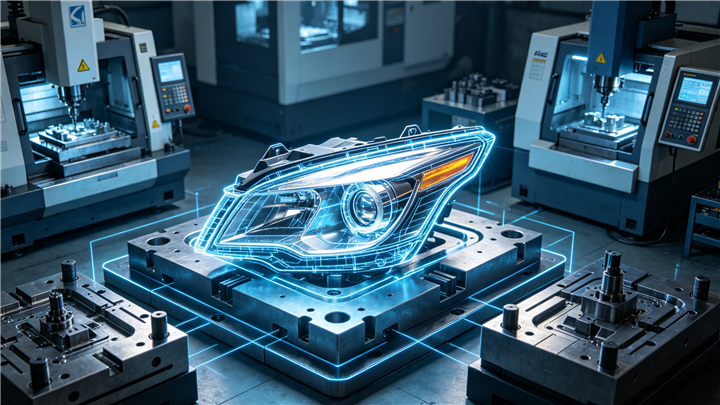
Automotive lighting is one of the most critical areas where plastic molds play a pivotal role, as lighting components directly impact safety, visibility, and a vehicle’s overall aesthetic. Plastic molds for automotive lighting parts—including headlight lenses, taillight covers, light guides, and reflector housings—require exceptional precision and optical clarity. Unlike standard plastic molds, lighting molds must produce surfaces free of defects, scratches, or distortions, as even the smallest imperfection can compromise light transmission and visibility. For example, headlight lens molds are engineered to create ultra-smooth, transparent surfaces (often using PC plastic) that ensure optimal light distribution, while light guide molds are designed with precise channels to direct light evenly, enhancing both functionality and visual appeal.
These lighting molds also must accommodate the unique properties of automotive lighting materials. High-temperature resistant plastics like PC and PMMA are commonly used for lenses, as they can withstand the heat generated by bulbs and harsh environmental conditions without warping or yellowing. Mold designers integrate advanced cooling systems to ensure uniform cooling of these materials, preventing defects such as clouding or uneven shrinkage. Additionally, molds for lighting parts often feature intricate cavity designs to match the curved, aerodynamic shapes of modern vehicle headlights and taillights, ensuring a seamless fit with the vehicle’s exterior.
Moving to automotive interior parts, plastic molds are instrumental in creating components that balance comfort, durability, and aesthetic appeal. Interior plastic parts—such as dashboard panels, door panels, center consoles, seat trim, and air vents—are in constant contact with passengers, so they must be both functional and comfortable. Molds for interior parts are designed to work with a variety of plastics, including ABS, PP, and soft-touch TPE, each chosen for its specific properties: rigidity for structural components, flexibility for comfort features, and resistance to wear and stains for high-contact areas.
Precision is equally critical for interior molds, as interior components must fit seamlessly together to create a cohesive, premium feel. For example, dashboard mold designs must account for the integration of gauges, infotainment systems, and air vents, ensuring each component aligns perfectly without gaps or misalignments. Mold designers also focus on surface texture, using specialized mold finishes to create soft-touch or matte surfaces that enhance the interior’s premium look and feel. Additionally, interior molds must be engineered to reduce noise and vibration, as plastic components can amplify unwanted sounds if not properly designed.
Automotive exterior plastic parts—including bumper trims, grille inserts, fender flares, and door handles—demand molds that prioritize durability, weather resistance, and aerodynamics. Exterior components are exposed to extreme temperatures, UV radiation, rain, and debris, so the molds must produce parts that can withstand these harsh conditions without fading, cracking, or degrading. Molds for exterior parts typically use high-strength plastics like ABS/PC blends or PP, which offer excellent impact resistance and weatherability.
Exterior mold design also focuses on aerodynamics and aesthetic harmony with the vehicle’s overall design. Bumper trim molds, for instance, are shaped to complement the vehicle’s contours, reducing wind resistance while providing protection against minor impacts. Grille insert molds are engineered to create intricate patterns that enhance the vehicle’s front-end appearance, while maintaining structural integrity. These molds must also ensure precise fitment with other exterior components, such as bumpers, fenders, and doors, to create a seamless, polished look.
While lighting, interior, and exterior plastic molds serve distinct purposes, they share core design principles that ensure their success in automotive manufacturing. Material compatibility is paramount—each mold must be tailored to the specific plastic being used, accounting for melting points, flow properties, and shrinkage rates. Precision dimensional control is also critical, as automotive parts must fit together perfectly to meet safety and aesthetic standards. Additionally, mold durability and wear resistance are essential, as these molds are used in high-volume production, often running 24/7 for extended periods.
Innovations in mold technology have further enhanced the quality and efficiency of producing automotive plastic parts for lighting, interior, and exterior applications. Computer-aided design (CAD) software allows designers to create detailed 3D models of molds, simulating the molding process to identify potential defects before production. Advanced mold materials, such as hardened steel and corrosion-resistant alloys, extend mold lifespans and improve part consistency. Additionally, technologies like injection molding optimization and modular mold design have reduced production time and costs, making high-quality plastic components more accessible for manufacturers.
In conclusion, automotive plastic molds for lighting, interior, and exterior parts are essential components of modern vehicle manufacturing, shaping the safety, comfort, and aesthetic appeal of every vehicle on the road. These molds must balance precision, durability, and design flexibility to meet the rigorous standards of the automotive industry, whether producing a clear headlight lens, a comfortable interior panel, or a durable bumper trim. As vehicle designs continue to evolve—with a focus on electric vehicles, lightweight materials, and advanced aesthetics—automotive plastic molds will remain critical, driving innovation and ensuring that vehicles are safe, reliable, and visually appealing. For manufacturers, investing in high-quality molds for these key components is a commitment to producing vehicles that meet the demands of today’s consumers and the standards of tomorrow’s industry.
