





Dual-Color Mold Technology in Automotive Plastic Part Manufacturing
In the competitive landscape of automotive manufacturing, efficiency, precision, and aesthetic appeal are key drivers of innovation. As vehicle designs become more complex and consumer demands for quality and functionality rise, manufacturers are turning to advanced molding technologies to streamline production and enhance product performance. Dual-color mold technology has emerged as a game-changer in automotive plastic part manufacturing, enabling the production of complex, multi-colored, and multi-material components in a single, seamless process. This technology not only reduces production time and costs but also opens up new possibilities for design flexibility, making it a cornerstone of modern automotive manufacturing.
At its core, dual-color mold technology—also known as two-shot molding or multi-shot molding—involves injecting two different plastic materials (or the same material in different colors) into a single mold to create a single, integrated component. Unlike traditional molding methods, which require multiple molds and assembly steps to produce multi-colored or multi-material parts, dual-color molding combines these steps into one, eliminating the need for post-molding assembly, bonding, or painting. This streamlined process not only reduces production time but also minimizes the risk of defects, such as misalignment or poor adhesion between components, which are common in traditional assembly methods.
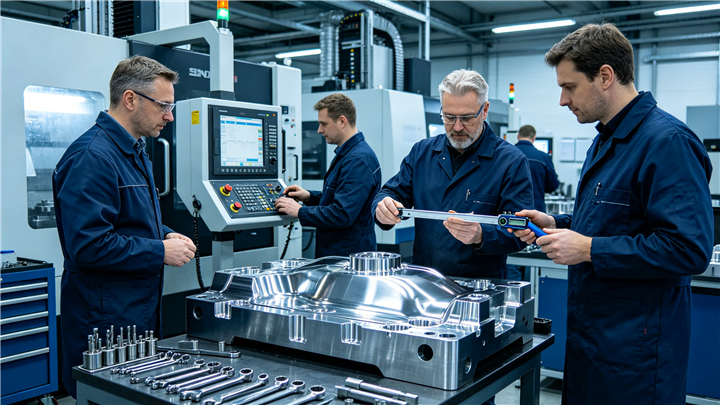
The dual-color molding process relies on a specialized mold and injection molding machine equipped with two injection units. The process typically begins with the first shot: one plastic material is injected into the mold cavity to form the base layer of the component. Once the first layer is partially cooled and solidified, the mold core rotates or shifts to align with the second injection unit. The second plastic material—either a different color, a different texture, or a different material with unique properties—is then injected into the same mold, bonding seamlessly with the first layer. The result is a single component with two distinct colors or materials, each serving a specific purpose in terms of functionality or aesthetics.
In automotive plastic part manufacturing, dual-color mold technology is widely used to produce a range of components, from interior trim pieces to exterior lighting elements. One of the most common applications is in automotive interior design, where dual-color components enhance both aesthetics and functionality. For example, dashboard panels, door handles, and center consoles often use dual-color molding to combine a soft-touch material (such as TPE) for comfort with a rigid material (such as ABS) for durability. This combination provides a premium feel for the driver and passengers while ensuring the component can withstand daily wear and tear.
Exterior automotive components also benefit greatly from dual-color mold technology, particularly in lighting systems. Headlight and taillight lens covers, for instance, often use dual-color molding to create complex designs with clear and colored sections. The clear section ensures optimal light transmission, while the colored section (typically black or body color) frames the light and integrates with the vehicle’s overall design. This eliminates the need for separate painting or assembly of the frame and lens, reducing production costs and improving the component’s overall durability and weather resistance.
Another key benefit of dual-color mold technology is its ability to reduce waste and improve sustainability. Traditional multi-step manufacturing processes often generate more scrap material due to misalignment, poor adhesion, or post-molding trimming. Dual-color molding minimizes this waste by producing components in a single step, with precise control over material usage. Additionally, the technology allows for the use of recycled plastics in one of the shots, further reducing the environmental impact of automotive manufacturing.
